


Jan 15, 2026


A damaged skin barrier doesn’t just need hydration — it needs lipids.
Your barrier is held together by a precise blend of:
• Ceramides
• Cholesterol
• Free fatty acids
• Phospholipids
These lipids form the “mortar” that seals skin cells together and keeps moisture in while blocking irritants out. When this lipid matrix is depleted by exfoliation, retinoids, foaming cleansers, or cold weather, skin becomes inflamed, dehydrated, and reactive.
This is why simply applying water or hyaluronic acid isn’t enough — without lipids, that hydration quickly evaporates.
The most effective way to restore the barrier is to supply your skin with lipid-compatible ingredients — the fatty acids, sterols, and emollients it uses to rebuild its own ceramides and protective layers.
This is exactly what MAXDAHLIA’s Hydroflora Barrier Repair Oil Gel and Hydrofix Ceramide Deep Moisture Cream are designed to do. Both formulas are rich in barrier-supportive plant oils, fatty acids, and skin-compatible emollients that mimic the structure of the skin’s natural lipid matrix. When applied, they don’t just sit on top of the skin — they integrate into the barrier, helping it reseal, calm inflammation, and hold onto moisture again.
As the lipid layer is restored, skin becomes:
✔ Less sensitive
✔ More resilient
✔ More hydrated
✔ More responsive to active ingredients
This is why barrier repair products can transform skin in just days — they give your skin exactly what it needs to heal itself.


 GLYCOLIC ACID is the most popular alpha-hydroxy acid (AHA) used in skin care. It comes from sugar cane, and has the smallest molecular structure, so it’s the most effective at getting into the skin. Glycolic acid is a fantastic anti-aging agent that is very effective at exfoliating the skin, reducing fine lines, fading dark spots, increasing skin thickness, and evening out skin tone and texture. Be careful when using, it can desensitize the skin so you want to make sure you are counting the side effects with a barrier repair product like HYDROFLORA Barrier Repair Oil Gel.
 The skin barrier is the outermost layer of your epidermis (and the epidermis is the outer layer of the two main layers of cells that make up your skin). A healthy skin barrier keeps irritants out, while locking natural oils and moisture in. An unhealthy skin barrier doesn’t really act as a barrier at all…instead, it allows irritants to penetrate into your skin, and that can weaken it and prevent it from functioning properly to maintain your skin’s health. This can also manifest itself in the form of dry, irritated red skin. Signs of a compromised skin barrier are often mistaken for other skin concerns such as acne or rosacea which then gets mistreated making things much more worse!!
  1. Simplify and adjust your regimen- If you suspect your barrier is disrupted, first thing you should do is take a break from ALL actives and only use a barrier repair product like HYDROFLORA Barrier Repair Oil Gel. This doesn't mean you will never be able to use skin actives, this just means for the time being (and it might be as short as a couple of days) you need to focus solely on repairing the skin barrier!!
 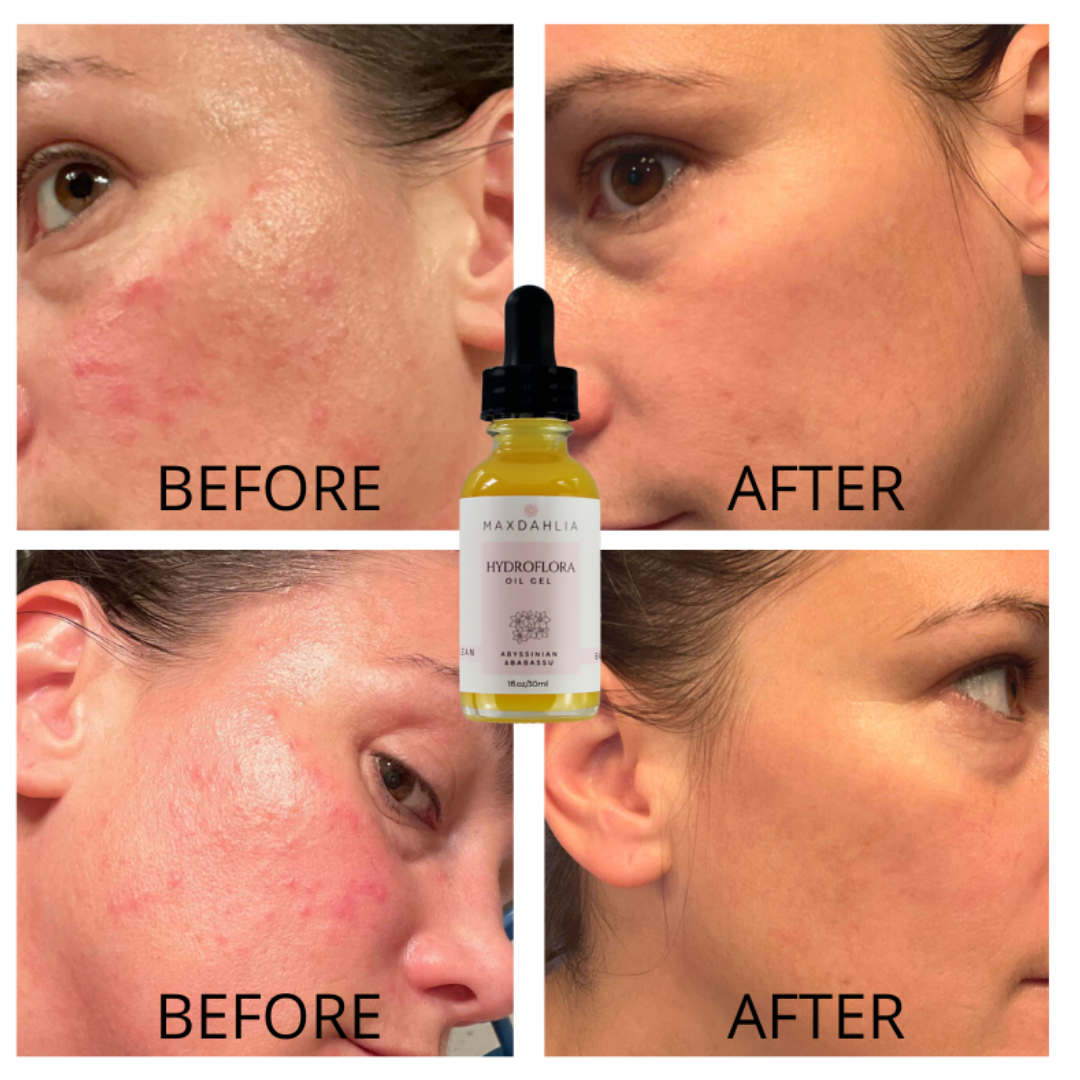 The good news is if your skin barrier is disrupted, now you know how to identify it and what to do to fix it. The body is pretty amazing at fixing itself as long as you stop exposing it to the culprit and you help guide it through the repairing process. Just be vigilant and aware and you should have a happy, healthy skin barrier for life. Remember, without a healthy skin barrier, it will be impossible to crush your skin goals. Healthy skin barrier should ALWAYS be the first step in reaching your skin goals.
 4- Helps with contouring and defining facial features.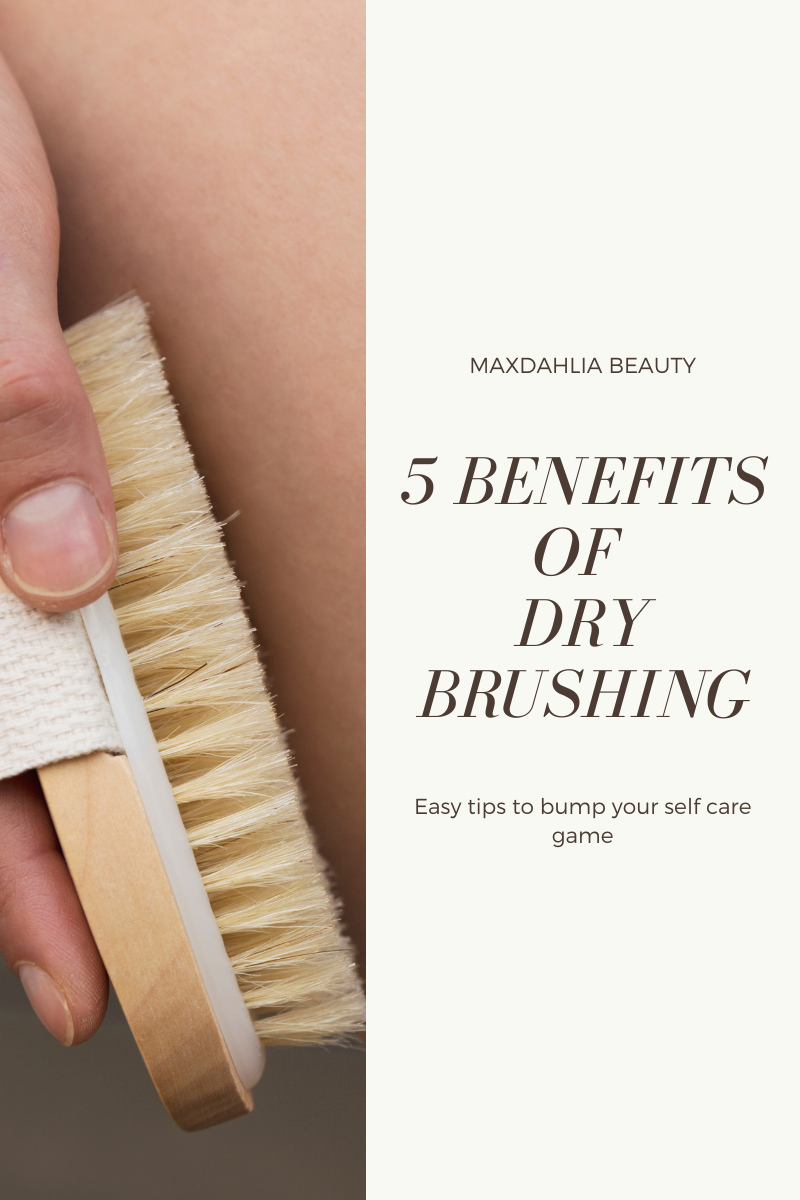
 Dry brushing is a health and wellness practice that has stuck around for over 5,000 years originating from India and now used in spas worldwide to help smoothen the appearance of cellulite and help with lymphatic drainage as well as exfoliate the skin. The methodology behind it is it helps improve blood circulation that flushes waste and toxins by stimulating the lymphatic system and by removing dry dead skin cells that sit on top of the skin. Here are the 5 top benefits of dry brushing: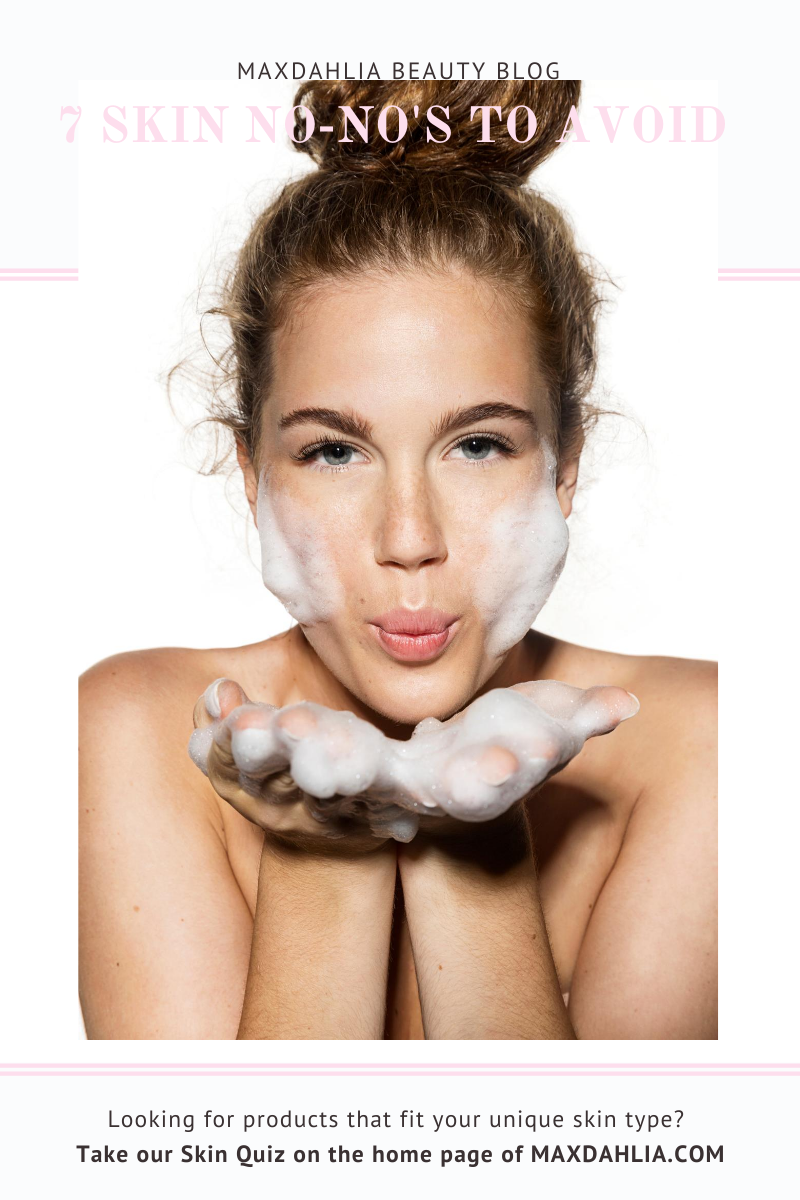
 1. NEGLECTING A GOOD SKINCARE DIET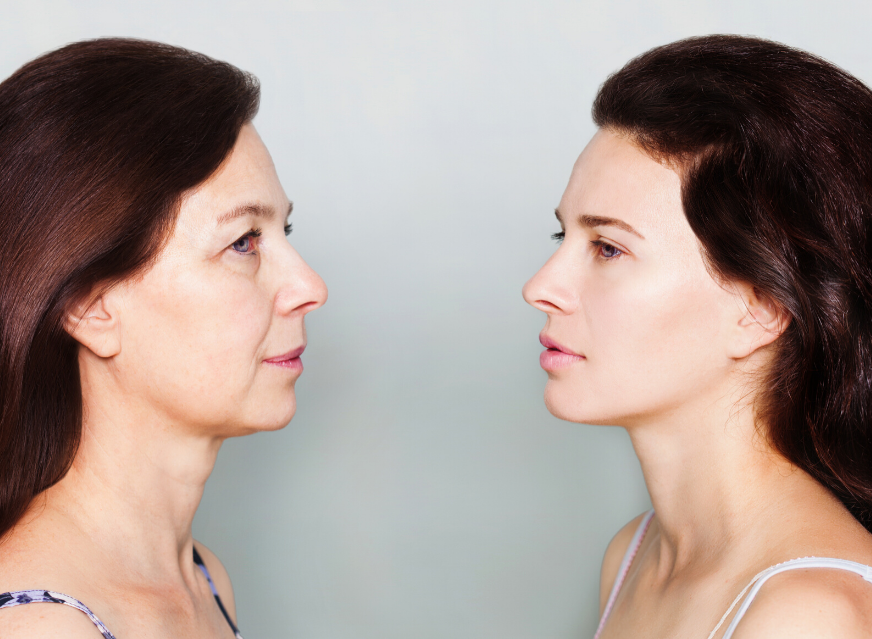
 UNDERSTANDING THE CAUSE OF AGING
 Another case study shows identical twins, age 61 when these photos were taken. The twin on the left looks dramatically younger than the twin on the right that lives in Florida and loves spending time in the sun. Not only does she have far more darks spots and hyperpigmentation than her twin on the left but she also has significantly more wrinkles and sagging skin.


 For thousands of years, flowers have been used widespread, throughout many different cultures from all over the world, to help treat health related ailments, as well as used for beauty and overall wellness. Each culture having their own access to specific botanical species found in their part of the world, engineered their own herbal concoctions that they then passed on from generation to generation.
  #botanicalbeauty #poweroftheflower #naturalskincare #organicskincare #antiaging #antiagingskincare #cleanbeauty #healthyskin #antioxidants #skincare #nontoxicskincare #cruetlyfreeskincare #skinbrightening #aging #floralextracts #skincareingredients #dandelion #hibiscus #calendula #peony #chamomile #edelweiss #rosehip #rose #honeysuckle #maxdahlia
