


May 17, 2026

7 SKINCARE MISTAKES THAT ARE RUINING YOUR SKIN BARRIER
Table of Contents
- Understanding Your Skin Barrier: The Foundation of Healthy Skin
- The Seven Critical Mistakes Damaging Your Protective Barrier
- Over-Exfoliation: The Silent Saboteur
- Harsh Cleansing Protocols
- Addressing Barrier Damage with Professional-Grade Solutions
- Skipping Essential Hydration Steps
- Excessive Product Layering
- Ignoring Environmental Protection
- Inconsistent Product Application
- Recovery Timeline and Expectations
- Frequently Asked Questions About Skin Barrier Repair
Understanding Your Skin Barrier: The Foundation of Healthy Skin
Your skin barrier, scientifically termed the stratum corneum, functions as your body's primary defense mechanism against environmental aggressors. This intricate lipid matrix comprises ceramides, cholesterol, and fatty acids that work synergistically to maintain optimal hydration levels while preventing transepidermal water loss.
When compromised, this protective barrier manifests symptoms including erythema, desquamation, heightened sensitivity, and inflammatory responses. Understanding common detrimental practices enables proactive skin barrier repair and restoration.

The Seven Critical Mistakes Damaging Your Protective Barrier
Over-Exfoliation: The Silent Saboteur
Excessive exfoliation with the wrong products represents one of the most prevalent causes of barrier dysfunction. Many individuals mistakenly believe that aggressive mechanical or chemical exfoliation accelerates cellular turnover beneficially.
However, aggressive scrubbing or frequent acid application strips away essential lipids faster than your skin can replenish them. Alpha hydroxy acids and beta hydroxy acids, while very beneficial, can cause micro-abrasions when overused.
If your skin is sensitive, limit exfoliation to 2-3 times weekly maximum, allowing your skin adequate recovery time between treatments.
Harsh Cleansing Protocols
Sulfate-laden cleansers and scorching water temperatures create a perfect storm for barrier compromise. These practices dissolve the intercellular cement that maintains barrier integrity.

Opt for gentle, pH-balanced cleansers with a formulation between 5.0-6.5 pH. Lukewarm water preserves natural oils while effectively removing impurities without causing delipidization.
Addressing Barrier Damage with Professional-Grade Solutions
When your skin barrier requires intensive restoration, incorporating clinically-formulated products becomes essential. MAXDAHLIA's Barrier Repair Oil-Gel combines biomimetic lipids with cutting-edge delivery technology to accelerate barrier recovery.
This innovative formulation features a unique dual-phase texture that delivers both immediate comfort and long-term restoration. The oil phase replenishes essential fatty acids while the gel component provides sustained hydration without comedogenic effects.
Skipping Essential Hydration Steps
Inadequate moisturization forces your sebaceous glands into hyperproduction mode, paradoxically creating both dehydration and congestion. This physiological response compromises barrier function through inflammatory cascades.
Layer lightweight, humectant-rich products under occlusive agents to create an optimal moisture gradient. Hyaluronic acid and glycerin attract moisture, while ceramides reinforce structural integrity.
Excessive Product Layering
While multi-step routines can be beneficial, excessive product application overwhelms your skin's absorption capacity. This creates a suffocating film that impedes natural barrier repair mechanisms.
Focus on quality over quantity. Choose concentrated formulations that deliver multiple benefits without requiring numerous applications.
Ignoring Environmental Protection
Ultraviolet radiation and pollution generate reactive oxygen species that degrade barrier lipids through oxidative stress. Daily broad-spectrum protection remains non-negotiable for barrier preservation.
Incorporate antioxidants like vitamin C, niacinamide, and tocopherol to neutralize free radicals before they compromise cellular structures.
Inconsistent Product Application
Sporadic skincare habits prevent cumulative benefits from developing. Barrier repair requires consistent support to rebuild compromised structures effectively.
Establish morning and evening protocols that you can maintain long-term, focusing on gentle, supportive ingredients rather than aggressive actives.
Recovery Timeline and Expectations
Skin barrier repair typically requires 28-60 days depending on damage severity. During this period, prioritize gentle formulations while avoiding potentially irritating ingredients. Hydroflora Barrier Repair Oil Gel helps speed healing up by 10x.

Week |
Expected Progress |
|---|---|
| 1-2 | Reduced irritation and sensitivity |
| 3-4 | Improved hydration retention |
| 5-8 | Restored barrier function and resilience |
Frequently Asked Questions About Skin Barrier Repair
How do I know if my skin barrier is compromised? Common indicators include persistent dryness, increased sensitivity to products previously well-tolerated, frequent breakouts, and visible irritation or redness.
Can damaged skin barriers heal completely? Yes, with appropriate care and patience, most barrier damage can be fully restored. However, prevention remains more effective than correction.
Should I eliminate all active ingredients during barrier repair? Temporarily reducing or eliminating potentially irritating actives allows faster healing, but gentle ingredients like niacinamide can actually support recovery.
Latest News & blogs
03 - 01 - 2022
Acids for Skin Rejuvenation 101
They’re the miracle ingredients used to fight acne, wrinkles, age spots, scarring, and uneven skin tone. But with so many acids available, it can be overwhelming to remember which you should use — and for what — and which products to buy. So we made a little guide to help you navigate and choose the RIGHT acids (AHA's) for your skin needs!
 GLYCOLIC ACID is the most popular alpha-hydroxy acid (AHA) used in skin care. It comes from sugar cane, and has the smallest molecular structure, so it’s the most effective at getting into the skin. Glycolic acid is a fantastic anti-aging agent that is very effective at exfoliating the skin, reducing fine lines, fading dark spots, increasing skin thickness, and evening out skin tone and texture. Be careful when using, it can desensitize the skin so you want to make sure you are counting the side effects with a barrier repair product like HYDROFLORA Barrier Repair Oil Gel.
LACTIC ACID is an organic acid that naturally forms when certain foods or bacteria go through the process of fermentation, It helps speed up cell turnover and stimulates cell renewal—the processes by which your skin sheds old cells and replaces them with new ones revealing a brighter and fresher complexion. It is a gentle AHA unlike glycolic acid and is a better choice for those who have more sensitive skin types. You can find it at 15% concentration in our Petal Peel Resurfacing Jelly Serum
SALICYLIC ACID well-known for its ability to exfoliate the skin and keep pores clear, reduce inflammation and redness associated with acne and breakouts. Often times you will see salicylic acid in acne products
MANDELIC ACID is a alpha-hydroxy acid that is derived from bitter almonds. Like glycolic acid, it works as an exfoliant and helps prevent acne, treat sun damage, and even out pigmentation.
Due to its larger molecular structure, it doesn’t penetrate skin as deeply as glycolic acid, so it’s less irritating to the skin.
KOJIC ACID is produced by bacteria used in the fermentation of rice for the production of sake. It’s a popular ingredient in Asian skin care products thanks to its anti-aging properties and it's ability to lighten dark spots/hyper-pigmentation.
TARTARIC ACID Naturally found in grapes, tartaric acid helps improve skin texture and reduce visible signs of aging. It's very unique because not only is it an AHA but it contain antioxidant properties and has the ability to increase skin hydration and helps bind moisture. Good for ALL SKIN TYPES as and gentle enough for more sensitive skin types. You can find it at a 5% concentrate in our Petal Peel Resurfacing Jelly Serum
OTHER NON ALPHA HYDROXY ACIDS (AHA'S)
FERULIC ACID antioxidant ingredient that’s most commonly used in conjunction with vitamins C and E serums. This powerful antioxidant trio is well known for its ability to protect the skin from the damaging free radicals generated by UV radiation by stabilizing the formula and boosting one another's power. You want to use it in your daytime skin routine. You can find this antioxidant trio combo in our Cell Active Ferulic C+E Serum
ALPHA LIPOIC ACID powerful antioxidant that helps protect against the damage caused by free radicals formed by exposure to the sun, pollution and heat. Powerful alone it also enhances the antioxidant effects of vitamins C and E similar to Ferulic Acid. Your can find it in BOTH our DAY prouducts FLORA-C Anti-Aging Day Moisturizer and our DAY serum Cell Active Ferulic C+E
AZELAIC ACID is a compound found in wheat, rye and barley often used to help fight moderate acne. It helps keep pores clear, kills bacteria and reduces inflammation. It is gentle enough to use on all skin type but could possibly irritate sensitive or barrier compromised skin types. Also used as a skin lightening ingredient for fading post-acne marks, or post-inflammatory hyperpigmentation. It’s frequently combined with retinoids as a milder alternative to hydroquinone.
We hope this guide helps you through understanding which acids work best for your skin needs so you know where to begin on your journey. Remember to always use a quality SPF during the day (and yes reapply) especially when using products that contain AHA's because all the work you put in towards your skin can reverse or make you even more prone to hyper pigmentation.
GLYCOLIC ACID is the most popular alpha-hydroxy acid (AHA) used in skin care. It comes from sugar cane, and has the smallest molecular structure, so it’s the most effective at getting into the skin. Glycolic acid is a fantastic anti-aging agent that is very effective at exfoliating the skin, reducing fine lines, fading dark spots, increasing skin thickness, and evening out skin tone and texture. Be careful when using, it can desensitize the skin so you want to make sure you are counting the side effects with a barrier repair product like HYDROFLORA Barrier Repair Oil Gel. LACTIC ACID is an organic acid that naturally forms when certain foods or bacteria go through the process of fermentation, It helps speed up cell turnover and stimulates cell renewal—the processes by which your skin sheds old cells and replaces them with new ones revealing a brighter and fresher complexion. It is a gentle AHA unlike glycolic acid and is a better choice for those who have more sensitive skin types. You can find it at 15% concentration in our Petal Peel Resurfacing Jelly Serum
SALICYLIC ACID well-known for its ability to exfoliate the skin and keep pores clear, reduce inflammation and redness associated with acne and breakouts. Often times you will see salicylic acid in acne products
MANDELIC ACID is a alpha-hydroxy acid that is derived from bitter almonds. Like glycolic acid, it works as an exfoliant and helps prevent acne, treat sun damage, and even out pigmentation.
Due to its larger molecular structure, it doesn’t penetrate skin as deeply as glycolic acid, so it’s less irritating to the skin.
KOJIC ACID is produced by bacteria used in the fermentation of rice for the production of sake. It’s a popular ingredient in Asian skin care products thanks to its anti-aging properties and it's ability to lighten dark spots/hyper-pigmentation.
TARTARIC ACID Naturally found in grapes, tartaric acid helps improve skin texture and reduce visible signs of aging. It's very unique because not only is it an AHA but it contain antioxidant properties and has the ability to increase skin hydration and helps bind moisture. Good for ALL SKIN TYPES as and gentle enough for more sensitive skin types. You can find it at a 5% concentrate in our Petal Peel Resurfacing Jelly Serum
OTHER NON ALPHA HYDROXY ACIDS (AHA'S)
FERULIC ACID antioxidant ingredient that’s most commonly used in conjunction with vitamins C and E serums. This powerful antioxidant trio is well known for its ability to protect the skin from the damaging free radicals generated by UV radiation by stabilizing the formula and boosting one another's power. You want to use it in your daytime skin routine. You can find this antioxidant trio combo in our Cell Active Ferulic C+E Serum
ALPHA LIPOIC ACID powerful antioxidant that helps protect against the damage caused by free radicals formed by exposure to the sun, pollution and heat. Powerful alone it also enhances the antioxidant effects of vitamins C and E similar to Ferulic Acid. Your can find it in BOTH our DAY prouducts FLORA-C Anti-Aging Day Moisturizer and our DAY serum Cell Active Ferulic C+E
AZELAIC ACID is a compound found in wheat, rye and barley often used to help fight moderate acne. It helps keep pores clear, kills bacteria and reduces inflammation. It is gentle enough to use on all skin type but could possibly irritate sensitive or barrier compromised skin types. Also used as a skin lightening ingredient for fading post-acne marks, or post-inflammatory hyperpigmentation. It’s frequently combined with retinoids as a milder alternative to hydroquinone.
We hope this guide helps you through understanding which acids work best for your skin needs so you know where to begin on your journey. Remember to always use a quality SPF during the day (and yes reapply) especially when using products that contain AHA's because all the work you put in towards your skin can reverse or make you even more prone to hyper pigmentation.
12 - 10 - 2020
Quick Guide to Repair Skin Barrier And Why It Matters
Human skin acts as the primary barrier between the body and the environment. Nobody really thinks about how much our skin does for us, we all just want it to look pretty but in order for that to happen, we truly need to understand it a bit more so that when changes happen, we have a better understanding on how to proceed with care and caution and what type of modifications we need to make in our own beauty routines in order to make the skin happy and functioning the way it's meant to again.
 The skin barrier is the outermost layer of your epidermis (and the epidermis is the outer layer of the two main layers of cells that make up your skin). A healthy skin barrier keeps irritants out, while locking natural oils and moisture in. An unhealthy skin barrier doesn’t really act as a barrier at all…instead, it allows irritants to penetrate into your skin, and that can weaken it and prevent it from functioning properly to maintain your skin’s health. This can also manifest itself in the form of dry, irritated red skin. Signs of a compromised skin barrier are often mistaken for other skin concerns such as acne or rosacea which then gets mistreated making things much more worse!!
1. Sudden dryness
2. Irritated skin
3. Itchiness
4. Scaly and dehydrated complexions
5. Stinging and or burning sensations
6. Flakiness and peeling
7. Tightness (dehydration of moisture deprived skin)
8. Redness
9. Rosacea
10. Increased breakouts
11. Rough skin to the touch
 1. Simplify and adjust your regimen- If you suspect your barrier is disrupted, first thing you should do is take a break from ALL actives and only use a barrier repair product like HYDROFLORA Barrier Repair Oil Gel. This doesn't mean you will never be able to use skin actives, this just means for the time being (and it might be as short as a couple of days) you need to focus solely on repairing the skin barrier!!
2. Reduce cleansing- Try and reduce your cleansing from 2x a day to 1x. Even if you use a gentle cleanser like Petal Powder, the reduction of cleansing helps! You can even switch to a micellar water cleanser for the time being. Micellar water requires a cotton pad and the micellar water. Apply only your moisturizer after cleansing until your barrier is happy again.
3. Hydrate- No brainer, you want to keep the skin moisturized. If after an hour of moisturizer application you find that your skin feels tight or dry, gently tap some more moisturizer into the skin to keep it hydrated.
4. Take a break from makeup- Let your skin breathe and heal. If your skin barrier is compromised, applying foundation to the face or makeup can invite unwanted bacteria into the skin which you do not want. If that happens, there is a good chance you will breakout or even worse, get an infection!
5. Supplement your diet- Eat omega-rich foods such wild caught salmon, flaxseed and nuts and add supplements like fish oil or evening primrose that are high is essential fatty acids for hydration from the inside out.
6. Cut the alcohol- We know, sorry! It's just not good for you or your skin!
7. Never skin SPF- Even when you are not planning on leaving the house, spf is a much every day whether you are having skin barrier issues or not!
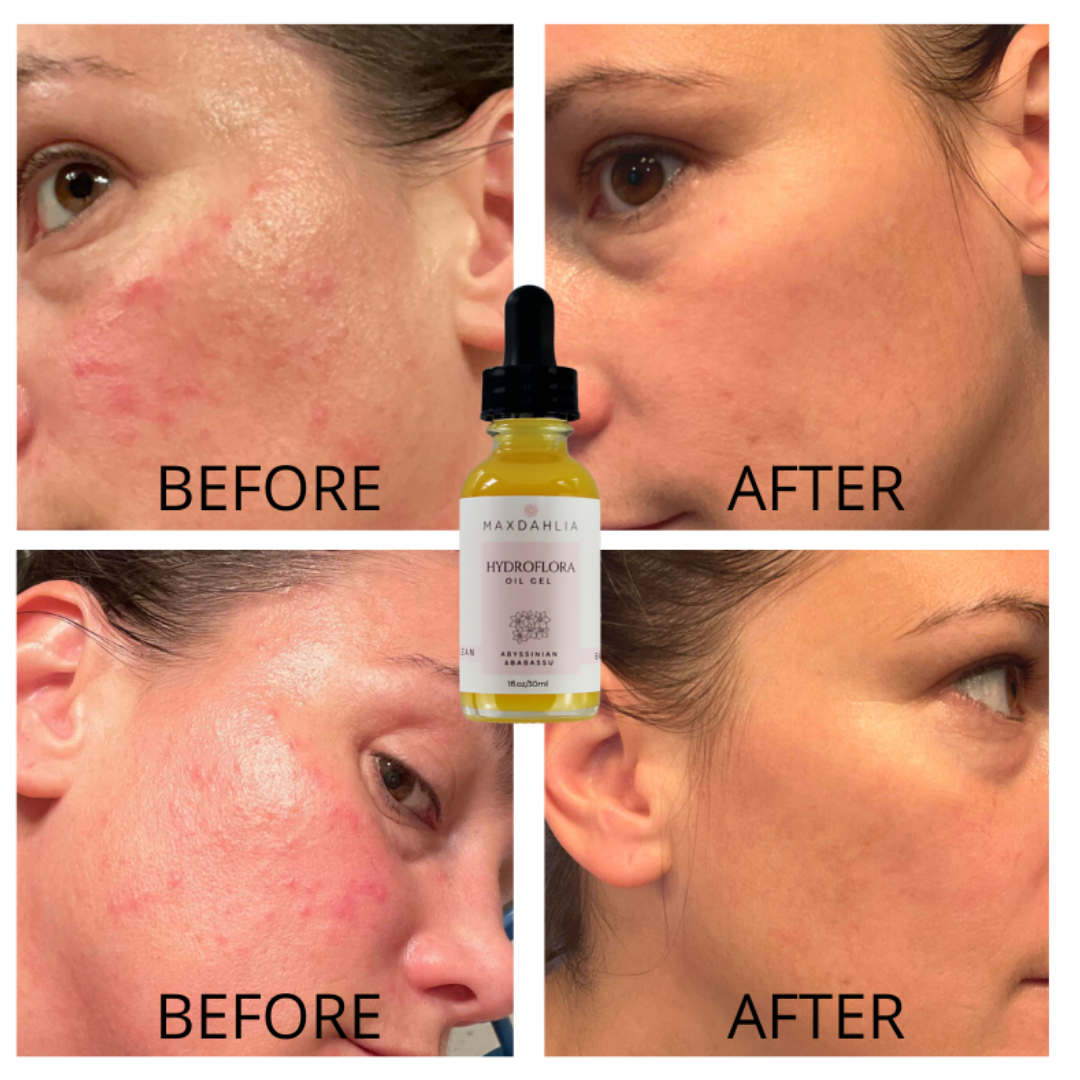 The good news is if your skin barrier is disrupted, now you know how to identify it and what to do to fix it. The body is pretty amazing at fixing itself as long as you stop exposing it to the culprit and you help guide it through the repairing process. Just be vigilant and aware and you should have a happy, healthy skin barrier for life. Remember, without a healthy skin barrier, it will be impossible to crush your skin goals. Healthy skin barrier should ALWAYS be the first step in reaching your skin goals.
The skin barrier is the outermost layer of your epidermis (and the epidermis is the outer layer of the two main layers of cells that make up your skin). A healthy skin barrier keeps irritants out, while locking natural oils and moisture in. An unhealthy skin barrier doesn’t really act as a barrier at all…instead, it allows irritants to penetrate into your skin, and that can weaken it and prevent it from functioning properly to maintain your skin’s health. This can also manifest itself in the form of dry, irritated red skin. Signs of a compromised skin barrier are often mistaken for other skin concerns such as acne or rosacea which then gets mistreated making things much more worse!! 1. Sudden dryness
2. Irritated skin
3. Itchiness
4. Scaly and dehydrated complexions
5. Stinging and or burning sensations
6. Flakiness and peeling
7. Tightness (dehydration of moisture deprived skin)
8. Redness
9. Rosacea
10. Increased breakouts
11. Rough skin to the touch
1. Simplify and adjust your regimen- If you suspect your barrier is disrupted, first thing you should do is take a break from ALL actives and only use a barrier repair product like HYDROFLORA Barrier Repair Oil Gel. This doesn't mean you will never be able to use skin actives, this just means for the time being (and it might be as short as a couple of days) you need to focus solely on repairing the skin barrier!! 2. Reduce cleansing- Try and reduce your cleansing from 2x a day to 1x. Even if you use a gentle cleanser like Petal Powder, the reduction of cleansing helps! You can even switch to a micellar water cleanser for the time being. Micellar water requires a cotton pad and the micellar water. Apply only your moisturizer after cleansing until your barrier is happy again.
3. Hydrate- No brainer, you want to keep the skin moisturized. If after an hour of moisturizer application you find that your skin feels tight or dry, gently tap some more moisturizer into the skin to keep it hydrated.
4. Take a break from makeup- Let your skin breathe and heal. If your skin barrier is compromised, applying foundation to the face or makeup can invite unwanted bacteria into the skin which you do not want. If that happens, there is a good chance you will breakout or even worse, get an infection!
5. Supplement your diet- Eat omega-rich foods such wild caught salmon, flaxseed and nuts and add supplements like fish oil or evening primrose that are high is essential fatty acids for hydration from the inside out.
6. Cut the alcohol- We know, sorry! It's just not good for you or your skin!
7. Never skin SPF- Even when you are not planning on leaving the house, spf is a much every day whether you are having skin barrier issues or not!
The good news is if your skin barrier is disrupted, now you know how to identify it and what to do to fix it. The body is pretty amazing at fixing itself as long as you stop exposing it to the culprit and you help guide it through the repairing process. Just be vigilant and aware and you should have a happy, healthy skin barrier for life. Remember, without a healthy skin barrier, it will be impossible to crush your skin goals. Healthy skin barrier should ALWAYS be the first step in reaching your skin goals.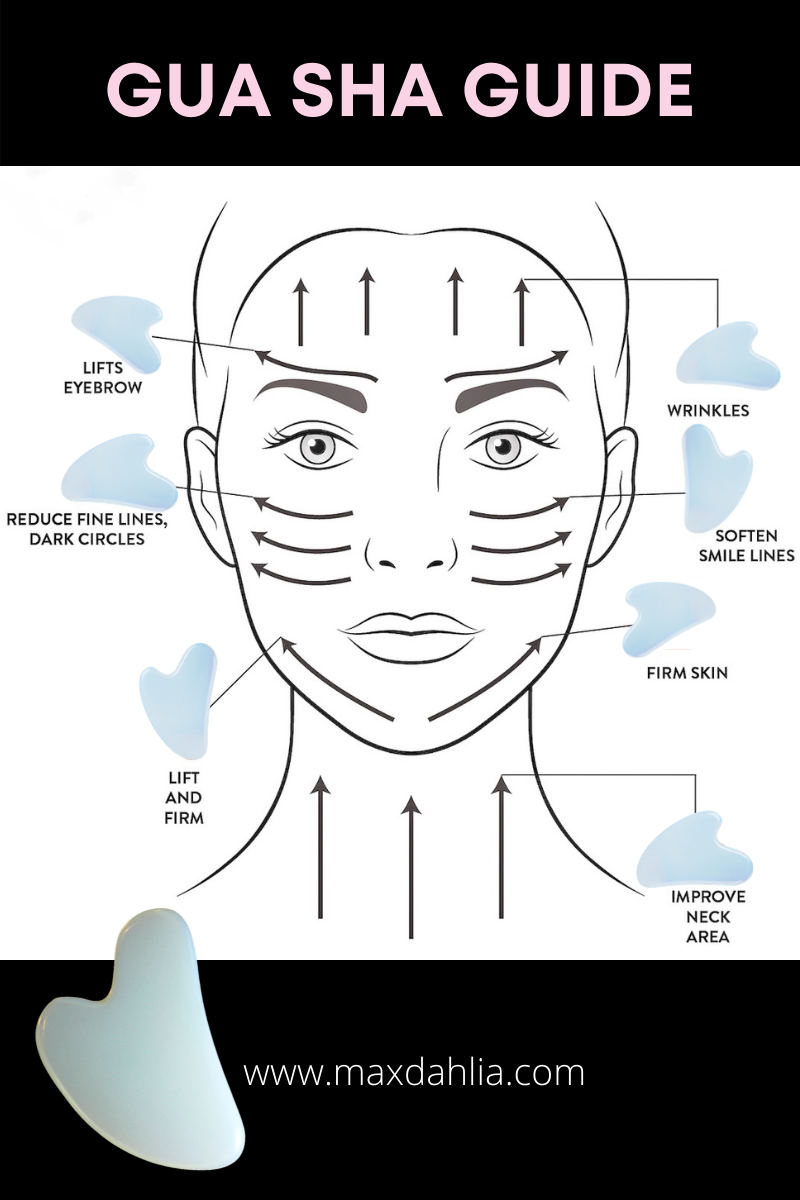
09 - 29 - 2020
FACIAL GUA SHA: Health & Wellness
1-Improves circulation .
Facial Gua Sha helps improve lymphatic circulation, it also improves the quality of blood circulation and qi circulation. Qi in Chinese Medicine is referred to as the "vital energy" inside our bodies. Everything is based on qi in Traditional Chinese Medicine, according to Dr. Greg Sperber, a doctor of acupuncture and oriental medicine. “Blockages of qi, deficiencies of qi, [and] too much qi are what cause illness. What we do with acupuncture, herbs, and all of Chinese medicine is we try to line up qi.”
2-Improves Product Absorption . Gua Sha can be used with your favorite moisturizer, preferably a facial oil (HydroFlora is a match made in heaven paired with gua sha), and it’s also a very effective way to help products absorbed deeply.
3- Releases and relaxes tension.
Facial Gua Sha is a very effective tool for relaxing tension in the face and neck. Not only does it feel amazing, it helps soften tension from “poor face posture” (brought on by active facial muscles constantly forming a “worried” or “strained” face). Gua Sha is used to bring back a “relaxed” face, which in turn looks more refreshed and youthful.
 4- Helps with contouring and defining facial features.
Gua sha facial helps lift and contour the face by working it out and training the facial muscle. It also helps break up adhesions in the fascia (the connective tissue in between the muscle and the skin). Essentially what you are doing is training the muscle and de-puffing which overtime leads to a more lifted, sculpted and contoured face.
5- Helps depuff puffy eyes
Often times puffy eyes are simply a result of fluid retention underneath the thin skin under your eyes. Gua sha helps move this fluid along, de-puffing the eyes for a more rested look.
6–Fine lines and wrinkle
Rather than freezing fine lines and numbing facial muscles like with Botox, Gua Sha forms new pathways of blood flow and nutrients to soften signs of aging and support youthful skin over time.
HOW TO GIVE YOURSELF A GUA SHA FACIAL
5. Be gentle with your under-eyes. Because the under-eye area is the most sensitive spot, it’s important to apply super-light pressure, gliding the gua sha tool from the inner corner of the eye to the temple. Repeat three to five times on each side, then repeat these steps in the same manner across your brow bone. Once you reach your forehead, sweep in an upwards motion from the eyebrows to the hairline. Repeat three to five times on each side giving a little wiggle at the end of each swipe.
Facial Gua Sha helps improve lymphatic circulation, it also improves the quality of blood circulation and qi circulation. Qi in Chinese Medicine is referred to as the "vital energy" inside our bodies. Everything is based on qi in Traditional Chinese Medicine, according to Dr. Greg Sperber, a doctor of acupuncture and oriental medicine. “Blockages of qi, deficiencies of qi, [and] too much qi are what cause illness. What we do with acupuncture, herbs, and all of Chinese medicine is we try to line up qi.”
2-Improves Product Absorption . Gua Sha can be used with your favorite moisturizer, preferably a facial oil (HydroFlora is a match made in heaven paired with gua sha), and it’s also a very effective way to help products absorbed deeply.
3- Releases and relaxes tension.
Facial Gua Sha is a very effective tool for relaxing tension in the face and neck. Not only does it feel amazing, it helps soften tension from “poor face posture” (brought on by active facial muscles constantly forming a “worried” or “strained” face). Gua Sha is used to bring back a “relaxed” face, which in turn looks more refreshed and youthful.
4- Helps with contouring and defining facial features.Gua sha facial helps lift and contour the face by working it out and training the facial muscle. It also helps break up adhesions in the fascia (the connective tissue in between the muscle and the skin). Essentially what you are doing is training the muscle and de-puffing which overtime leads to a more lifted, sculpted and contoured face.
5- Helps depuff puffy eyes
Often times puffy eyes are simply a result of fluid retention underneath the thin skin under your eyes. Gua sha helps move this fluid along, de-puffing the eyes for a more rested look.
6–Fine lines and wrinkle
Rather than freezing fine lines and numbing facial muscles like with Botox, Gua Sha forms new pathways of blood flow and nutrients to soften signs of aging and support youthful skin over time.
HOW TO GIVE YOURSELF A GUA SHA FACIAL
5. Be gentle with your under-eyes. Because the under-eye area is the most sensitive spot, it’s important to apply super-light pressure, gliding the gua sha tool from the inner corner of the eye to the temple. Repeat three to five times on each side, then repeat these steps in the same manner across your brow bone. Once you reach your forehead, sweep in an upwards motion from the eyebrows to the hairline. Repeat three to five times on each side giving a little wiggle at the end of each swipe.
09 - 17 - 2020
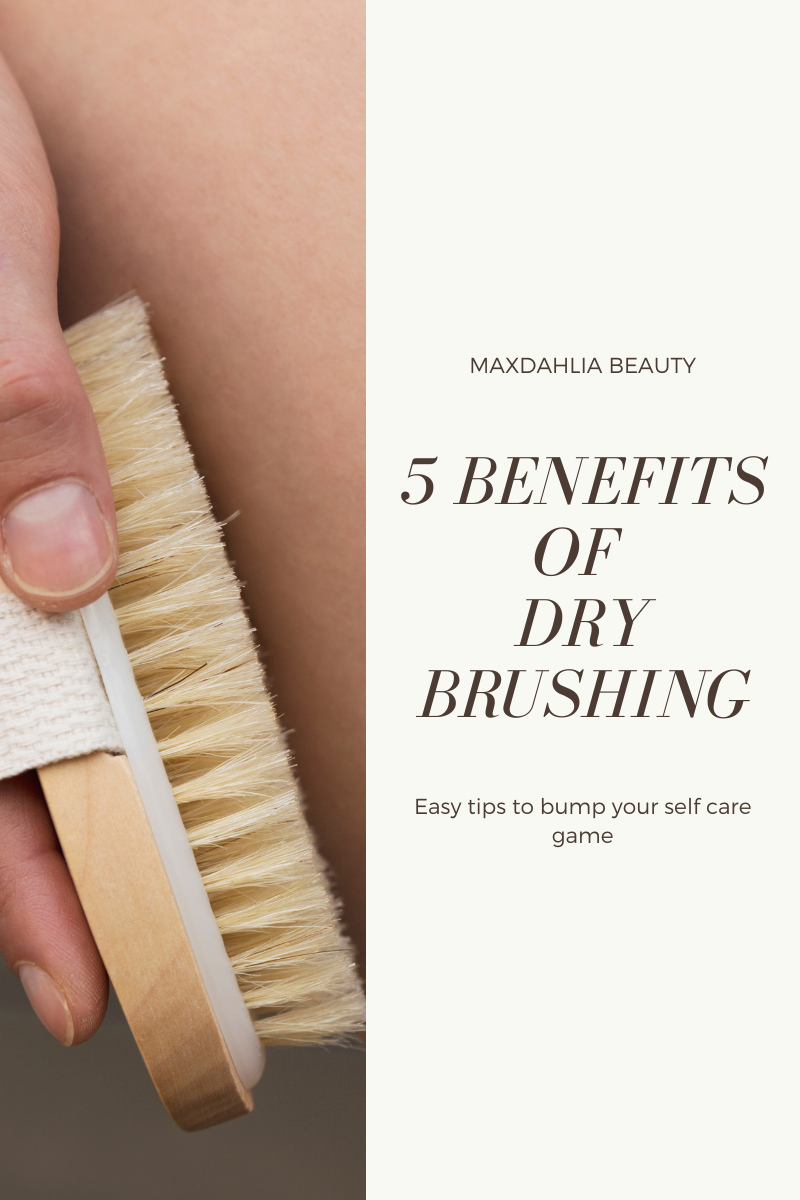
 Dry brushing is a health and wellness practice that has stuck around for over 5,000 years originating from India and now used in spas worldwide to help smoothen the appearance of cellulite and help with lymphatic drainage as well as exfoliate the skin. The methodology behind it is it helps improve blood circulation that flushes waste and toxins by stimulating the lymphatic system and by removing dry dead skin cells that sit on top of the skin. Here are the 5 top benefits of dry brushing:
Step 1: Use a natural-bristle brush that has an easy to grasp handle or a dry brush with a longer, ergonomic handle for reaching tough angles.
Step 2: In circular motions, rub the brush over the skin starting with the feet and working upward toward the heart to properly massage the lymphatic system. Avoid areas of skin that exhibit inflammation, scratches, or open sores. Do this prior to bath or shower and follow with a deep body moisturizing product like Velvet Butter. Spend about 10 minutes dry brushing your entire body.
AND, that's it. Dry brushing can be practiced anywhere from 2-3 times a week. If your skin is ultra-sensitive, be very gentle and reduce the amount of time you dry brush to 1 time a week. Be sure to cleanse your dry brush with a gentle cleansing wash like a clean baby shampoo at least once a month to remove the dead skin build up that accumulated on the brush.
Comment below and share your dry brushing experience <3
08 - 16 - 2020
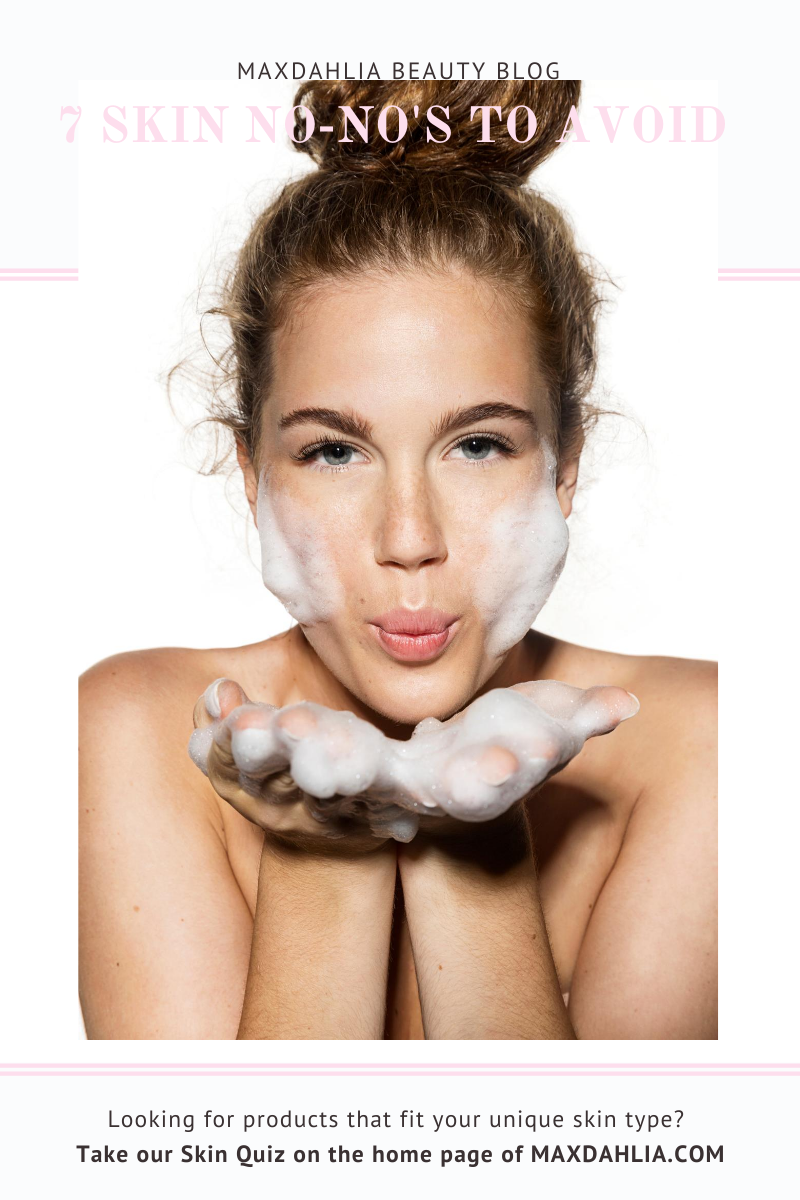
Most Common Skincare Mistakes to Avoid
 1. NEGLECTING A GOOD SKINCARE DIET
One of the less obvious skincare mistakes: you are what you eat. Ever notice a blemish come through after a weekend of binge eating pizza, candy, and ice cream? Sugar and high carb foods actually spike inflammation, cause breakouts, and break down collagen. Yikes!
Try this instead: Avoid a high-sugar and heavily greasy diet. Incorporate more whole foods to nourish your skin from the inside out, which includes getting your daily dose of vitamins through fruit and veggies.For some food suggestions, check out our blog 5 Foods for Healthy Glowing Skin. Most importantly, keep your skin hydrated. Drinking plentiful amounts of water is a key factor for keeping skin hydrated, young, and healthy.
2. LEAVING YOUR MAKEUP ON OVERNIGHT
Clogged pores, oily skin, (and not to mention ruined pillow cases) prove that all signs point to no-makeup slumbers. In 2013, the Daily Mail conducted an experiment where one woman volunteered to not wash her makeup off for an ENTIRE MONTH, and continued to reapply on top of it every morning. The result: Her skin aged by 10 years. Dirt and makeup trapped in your skin can cause acne, premature aging, complexion issues, and so much more.
Try this instead: Take off ALL of your makeup every single night before you go to bed and be sure to thoroughly cleanse your skin until there’s not residue of makeup left. Of course use your cleanser of choice but we promise you Petal Powder or Banana Bright will be your best friend. Just remember to double cleanse at night to get every last bit off (no toner needed if using our cleansers).
3. OVERDOING IT WITH THE SKINCARE ROUTINE
It’s so important to have a good skincare routine that incorporates cleansing, exfoliating, moisturizing and protecting your skin. But just like everything else in this world, you can’t overdo it.
If you’re using your Clarisonic on full force every morning and night, in addition to harshly exfoliating your skin on the daily, your skin won’t be happy. Or if you start piling on the actives (especially if your not educated on which ones work together) You’ll start to break down your skin’s protective barrier, causing dry skin, as well as potential breakouts due to off balancing your skin's own oil production.
Try this instead: Always listen to your skin and to any changes to it! If it starts to become drier or more sensitive, back off the actives and focus on rebalancing your skin barrier. HydroFlora does wonders on barrier repair. If your skin barrier is compromised from a spa treatment like a peel or if you are using tretinoin at night, products that focus on "barrier repair" is a must and will help bring your skin to happiness and balance once again.
4. TOUCHING YOUR FACE
One of the easiest and most common ways to get a breakout: constantly touching your skin. Your hands naturally carry oils on them as well as all kinds of bacteria, which can easy transfer to the skin of your face when you’re touching it causing breakouts or making your current breakouts spread.
Try this instead: Don’t touch your face!! I am sure because of covid you might have grown accustomed to reducing your face touching but if you notice a habit of resting your face on your palm, or dabbing your fingers on your face – be conscious of it and seriously try to avoid it. Be sure to wash your hands on the regular to keep the dirt transfer to a minimum.
5. NOT CLEANING YOUR CELLPHONE
Did you know your cell phone is 10 times dirtier than a toilet seat?
Yup, pretty nasty!! We’ve become so immune to bringing our phones with us everywhere, that we forget just how many surfaces it’s touched before placing it upon our beautiful skin…only to experience a breakout shortly after.
Try this instead: Get in the habit of wiping down your phone with a Clorox wipe or a baby wipe. Better yet, do what I do and put all your calls on speaker! That will ensure your face never touches your screen.
6. AVOIDING SPF
One of the biggest contributors to aging skin is caused by sun exposure. But even worse, too much unprotected sun exposure can lead to different types of skin cancer, which is why it’s extra important to wear sunscreen before going out into the sun.
Try this instead: Find a good SPF (I prefer mineral over chemical) that has an SPF number of 40 or greater and make sure it's "Broad Spectrum"! Apply it after your protective serum or moisturizer. Do not rely on SPF in a moisturizer because the amount you need to apply in order for it to be effective is about a nickel sized amount, way more then the amount most people apply moisturizer. If you planning a day in the sun, make sure to reapply. SPF wears off typically 2 hours or less after application.
7. NEVER CLEANING YOUR MAKEUP BRUSHES & SPONGES When’s the last time you did a serious deep clean of your makeup brushes and sponges? And, when was the last time you did it before that? If you answered more than a week to either of those questions, then you’ve got to start cleaning those brushes, pronto! Tons of oil, grease, and bacteria build up on your makeup brushes on the daily, so cleaning them on the regular is key. Try this instead: Makeup brushes and sponges should be cleaned on a weekly basis. If you’re guilty of skipping out on a weekly cleanse, you’re putting your skin at serious risk of a breakout. Are you guilty of making any of these skincare mistakes? Let us know in the comments below!

10 - 29 - 2019
How Skin Ages: What You Can Do To Slow Down The Process
 UNDERSTANDING THE CAUSE OF AGING
In the fight against time, people need to arm against two independent processes that accelerate skin aging: chronological or intrinsic, and environmental or extrinsic aging. Intrinsic (internal/chronological) aging signs usually start appearing around 30 years when the cell renewal work slows down and hormone production undergoes changes that reflect directly on the skin. Extrinsic (external) aging is the result of exposure to external elements, like UV radiation, pollution, exposure to certain chemicals, that affect the rate of normal skin aging through the formation of free radicals, which attack the skin's structure destroying the collagen and elastin fibers, impairing hydration, with consequences such as: dyschromias, changes in skin relief and wrinkles. Collagen and elastin fibers essentially keep the skin structure lifted and intact so when they are damaged, they begin to sag and pull downward causing wrinkles and sagging skin.
The biggest extrinsic culprit of skin aging is UV exposure and pollution. According to the National Center for Biotechnology Information “Photo-aging is primarily responsible for skin aging. UVA and UVB radiation interact with intracellular chromophores and photosensitizing agents, generating oxidative stress and transient genetic alterations.” Here is a visual representation of UV damage. The New England Journal of Medicine published this portrait of a 69-year-old truck driver, which due to the nature of his job, meant that only one side of his face was consistently exposed to the sun. The difference is dramatic, and it shows just how strong the impact of UV damage really is.
 Another case study shows identical twins, age 61 when these photos were taken. The twin on the left looks dramatically younger than the twin on the right that lives in Florida and loves spending time in the sun. Not only does she have far more darks spots and hyperpigmentation than her twin on the left but she also has significantly more wrinkles and sagging skin.
SELF PRESERVATION: SLOWING DOWN THE PROCESS
Good news is you CAN arm yourself against free radical damage through prevention and protection by limiting exposure and supplementing the skin and body with nutritious antioxidants. When designing FLORA-C, we combined the most powerful antioxidants proven effective through scientific studies. The antioxidants we chose to have in our formula, specifically work synergistically together and super charge one another’s potency to help over power and neutralize free radicals, ultimately reducing the damage they would have caused. To double down on the free radical battle, we created CELL ACTIVE Ferulic C+E Serum. You can learn more about Cell Active by clicking on the link.
You can’t stop aging from happening but you definitely can dramatically slow the process down by understanding the process and taking measures to counteract the usual causes. Reducing sun exposure, wearing protective SFP daily (all year round), using skincare with potent antioxidants, eating a high vitamin diet, exercise, staying hydrated and getting the recommended amount of sleep will all keep you looking and feeling youthful for decades longer, maybe even your lifetime.
#skinaging #aging #antiaging #hyperpigmentation #uvdamage #collagen #antioxidants #skincare #healthyskin #selfpreservation


08 - 29 - 2019
The Beauty and Wellness Power In Flowers
 For thousands of years, flowers have been used widespread, throughout many different cultures from all over the world, to help treat health related ailments, as well as used for beauty and overall wellness. Each culture having their own access to specific botanical species found in their part of the world, engineered their own herbal concoctions that they then passed on from generation to generation.
 Our ancestors observed (from patterns throughout time) the health benefits these plants and flowers possessed. They couldn't tell us the specific compounds of each of these plant species that modern science can explain to us today, but they knew of and had experienced the healing powers of these florals themselves, passing their knowledge on to the next generation to further explore and innovate. At this current point in time, we now can understand why our ancestors used these plants with actual scientific explanation. Not only gorgeous, our list of florals below are packed with skin loving super powers that we are excited to tell you a bit about.
DANDELION: Known for its skin refining, soothing, detoxifying and anti-aging benefits. Dandelion is rich in vitamins A, C, and E, all of which possess powerful antioxidants that protect skin against free radical damage and signs of aging. These particular vitamins are well documented in boosting collagen production, reducing fine lines and wrinkles. The zinc and magnesium properties of dandelion help aid in detoxification particularly useful for acne prone skin types. Find it in PETAL POWDER
HIBISCUS: Known for it's abundant source of alpha hydroxy acids (AHAs) and antioxidants, the hibiscus flower is highly effective in reviving the skin’s elasticity, reducing hyper-pigmentation, brightening the complexion, and fighting off the most common signs of aging. Find it in PETAL POWDER, FLORA C and FLORA A
HONEYSUCKLE: Rich in flavonoids and saponins known to be highly beneficial in free radical neutralization. Naturally helps lighten and brighten dull complexions revealing a more radiant glow. Find it in CELL ACTIVE FERULIC C+E SERUM
ROSE: Valued for its complex array of vitamins, minerals and antioxidants, rose is extra beneficial for those with dry skin types because of it's moisturizing capabilities. Rose is also useful for sensitive skin types because of it's anti-inflammatory properties and for acne prone skin due to it's anti-fungal properties.
ROSE HIP: Highly concentrated in vitamins A and C, minerals and essential fatty acids. Known for correcting dark spots and reducing hyper-pigmentation, boosting elasticity and collagen production, improving the look of fine lines. Find it in FLORA A
EDELWEISS: Very high radical scavenging activity due to it's powerful antioxidant properties, twice that of vitamin C in fact. Edelweiss can be very beneficial for aging skin. It helps protect the skin's collagen from breaking down while promoting collagen production at the same time. Find it in FLORA C
CHAMOMILE: Highly useful for inflamed or irritated skin types. It's anti-inflammatory effects block the release of a potent chemical responsible for promoting inflammation in your body—called prostaglandin E2—and also decreases the release of histamine. It's soothing effect is extremely helpful for sensitive skin types. Stay tuned for the future release of a barrier repair creme made for irritated, unbalanced and sensitive skin types with chamomile as one of the ingredients.
PEONY: Provides superior antioxidant powers and is particularly useful in protecting against free radicals caused by UV induced exposure. Containing Paeonol, an active compound found to activate the skin’s natural defense mechanisms and help it to regenerate, thereby toning and firming the epidermis. Find it in FLORA C
CALENDULA: This soothing flower has restorative properties that deeply calm, hydrate and heal damaged skin. It's antibacterial properties help clear the bacteria in the pores which further lead to breakouts. Find it in PETAL POWDER
 #botanicalbeauty #poweroftheflower #naturalskincare #organicskincare #antiaging #antiagingskincare #cleanbeauty #healthyskin #antioxidants #skincare #nontoxicskincare #cruetlyfreeskincare #skinbrightening #aging #floralextracts #skincareingredients #dandelion #hibiscus #calendula #peony #chamomile #edelweiss #rosehip #rose #honeysuckle #maxdahlia
01 - 19 - 2019
You have probably noticed that our products do not come with outer packaging and although we agree, there are some attractive outer packaging out there, usually it gets thrown out as soon as the product is taken out of it. According to statistics, the average person accumulates 4 pounds of garbage each day, that is 1,400 pounds a year. As of now (1.19.19), there are 7.7 billion people living on Earth and of course growing. Just imagine all of that trash!! And even though we do think outer packaging looks fancy, it wasn't a good enough reason for us to mass produce it.
Another really important Earth friendly approach we take is using clean, non-toxic ingredients in our formulas that won't harm marine life when it gets washed off and travels down the drain. Whenever water goes down the drain, it travels through a sewer, then to a water treatment facility where it is filtered and eventually gets disposed into rivers, lakes and oceans. There are too many products that contain large amounts of toxic chemicals that end up harming marine life and eventually human life. It will always be important to us to find better ways to reduce our carbon footprint. If you have any suggestions for us, please contact us or comment below.
Stay beautiful! Stay mindful <3
#ecofriendly #cleanerearth #greenmentality

Another really important Earth friendly approach we take is using clean, non-toxic ingredients in our formulas that won't harm marine life when it gets washed off and travels down the drain. Whenever water goes down the drain, it travels through a sewer, then to a water treatment facility where it is filtered and eventually gets disposed into rivers, lakes and oceans. There are too many products that contain large amounts of toxic chemicals that end up harming marine life and eventually human life. It will always be important to us to find better ways to reduce our carbon footprint. If you have any suggestions for us, please contact us or comment below.
Stay beautiful! Stay mindful <3
#ecofriendly #cleanerearth #greenmentality